
 Many acupuncture websites look polished on the surface. They have calming stock photos, soft colors, and the usual service pages. Yet even when they look decent, they often feel interchangeable. That is a problem in a competitive local market where prospective patients are trying to figure out who they can trust.
Standing out online does not mean being flashy. It means being clear, memorable, and relevant. It means your website helps a visitor understand who you help, how you work, what makes your clinic experience different, and why they should take the next step with you instead of clicking back to search results.
A human-led design process is better suited to that kind of work because differentiation is rarely accidental. It comes from asking the right questions. What is your strongest area of focus? Do you want to be known for pain management, fertility support, women’s health, emotional wellness, sports recovery, cosmetic acupuncture, or whole-person care? What concerns do your patients bring with them before they ever book? What tone fits your practice best: calming, clinical, warm, educational, modern, traditional, or a blend of several? Those answers shape a website that feels specific rather than generic.
 Human-led website design does not mean rejecting technology. It means real people are guiding the important decisions. The messaging, page structure, branding, visual hierarchy, SEO strategy, and user experience are shaped by judgment, experience, and an understanding of the practice itself.
That distinction matters. A template can arrange blocks on a page. AI can generate words that sound polished. But neither one truly understands your clinic, your local market, your patient relationships, or the subtle reasons someone chooses one acupuncturist over another.
A human designer or strategist looks beyond surface-level aesthetics. They consider how your homepage introduces your practice, how your service pages should be organized, where calls to action belong, whether your wording sounds like you, and whether your site supports the way real patients search and make decisions. They can notice when the tone feels too vague, when the layout hides important information, or when the site sounds like it could belong to any wellness business in any city.
 One of the biggest weaknesses of automated website creation is sameness. Many AI-written sites rely on repeated phrases, generic explanations, and broad claims that could apply to almost any practitioner. The result is a website that may be readable, but not memorable.
This matters because acupuncture is personal. Patients are not only looking for a list of services. They are looking for signs that they will be understood and cared for. A website that sounds generic can make even a skilled practitioner feel distant or interchangeable.
This is especially common when a site leans too heavily on filler language. Pages become packed with broad descriptions of acupuncture, vague wellness statements, and repeated city names added for SEO. Instead of building confidence, that kind of copy can feel thin and impersonal. It does not give the visitor a strong sense of your philosophy, your strengths, or the experience of being in your care.
A human-led process helps prevent that drift into sameness. A real person can pull out the details that make a practice distinct. They can shape content around your training, specialties, treatment style, patient communication, and clinic atmosphere. Those are the qualities that help a website feel real.
 Healthcare decisions are rarely purely logical. Someone visiting an acupuncture website may be in pain, worried, frustrated, skeptical, or simply overwhelmed by options. They are not just scanning for facts. They are trying to answer quieter questions too.
- Do I trust this person?
- Do they seem experienced?
- Do they understand the kind of help I need?
- Will I feel comfortable here?
Human-led website design is better equipped to answer those questions because it pays attention to emotional context. It considers how people move through a page, what they need to read first, and how much explanation they need before they are ready to book or reach out.
That might show up in a more thoughtful homepage introduction, clearer service descriptions, better use of patient-friendly wording, or stronger transitions between education and action. It may also show up in what is removed. Sometimes the most helpful improvement is cutting clutter, simplifying the navigation, and making the next step feel easy.
 One of the clearest advantages of human-led design is voice. Acupuncturists are not all the same, and their websites should not be either.
Some practitioners want a more clinical tone that appeals to people seeking structured, professional care. Others want their site to feel grounded, compassionate, and calming. Some focus heavily on education, while others want to keep the language simple and welcoming for first-time patients. There is no single correct voice, but there should be a deliberate one.
AI can imitate tone, but it often defaults to safe, broad, predictable language unless a human gives it strong direction and edits it carefully. Without that oversight, websites can sound polished but hollow. They may say all the expected things while saying very little that feels personal or distinctive.
A human writer or strategist can interview, listen, refine, and translate. They can take the way you actually speak about your work and shape it into web copy that sounds natural, clear, and trustworthy. That is especially valuable for acupuncturists, because trust is not built only through credentials. It is also built through tone, clarity, and a sense of real human presence.
 SEO is one of the places where automated website tools often promise too much and deliver too little. They may generate content quickly, but speed alone does not create search visibility.
Google’s own documentation continues to emphasize helpful, reliable, people-first content, along with fundamentals such as descriptive titles, useful visible text, clear structure, internal linking, and a strong overall page experience. Google’s guidance on AI features says the same core best practices still apply, which means site owners do not need tricks for AI search so much as strong fundamentals.
For acupuncturists, this means SEO is not just about adding a city name to a few paragraphs. It is about how the website is planned. Are your service pages clearly separated? Are page names descriptive? Do your headings help both users and search engines understand the topic? Are important services explained in plain text instead of buried in images or vague marketing language? Are pages connected logically through internal links? Those structural choices are often what make a site easier to understand, easier to navigate, and more likely to compete over time.
This is one reason human-led design tends to perform better. A person can think about what a prospective patient is actually searching for, how one page should lead to another, and how your site can support local visibility without sounding forced. Human strategy keeps SEO aligned with readability and trust instead of turning every page into a pile of keywords.
 Automated systems are good at producing something. They are not always good at noticing what is missing.
A human can spot when the homepage fails to explain who the practice is for. A human can recognize when the navigation is confusing, when the service pages overlap too much, or when a booking button appears too late on the page. A human can ask whether the tone on the website matches the feeling of your clinic. A human can notice when the site says “holistic healing” repeatedly but never explains what a new patient should expect at the first visit.
Those are not small details. They shape whether a website feels trustworthy and easy to use.
This kind of oversight also matters for branding. If your clinic is warm and grounded, but your site feels sterile, there is a disconnect. If your practice is modern and professional, but your site feels outdated or overly mystical, there is another disconnect. In both cases, the website may unintentionally create hesitation instead of confidence.
 The best acupuncture websites do not just describe services. They prepare people for the experience of choosing your clinic.
That includes visual style, tone, pacing, and the kind of reassurance your pages provide. When a website aligns with the actual patient experience, it strengthens trust. A visitor feels like the person behind the website is real, thoughtful, and consistent.
Human-led design helps create that alignment. It brings together branding, layout, copy, and patient flow so the website reflects the care experience more accurately. That is difficult to achieve when a site is assembled quickly from generic building blocks with little strategy behind them.
This is also why human-led design tends to hold up better over time. It is not just built to launch. It is built to represent the practice well as it grows.
 Fast website solutions can be tempting because they reduce upfront effort. But for many acupuncturists, the real cost shows up later. A generic website may need heavy revisions, stronger SEO, better messaging, or even a full redesign once it becomes clear that it is not attracting the right traffic or converting visitors into appointments.
Human-led website design can save time in the long run because it starts from a more strategic place. It gives more thought to how patients search, how pages should be structured, what your brand should communicate, and how the site can expand over time with blog content, condition-specific pages, FAQs, reviews, and stronger calls to action.
A strong website also benefits from fresh, useful content that gives patients more reasons to visit, learn, and return. That is where done-for-you marketing content can strengthen a human-led website strategy instead of replacing it. With AcuDownloads, acupuncturists can access ready-made educational and promotional content designed to help explain services, answer common patient questions, and keep their websites and marketing channels active with relevant material. From blog posts and newsletters to seasonal content and patient education pieces, this kind of content can help drive traffic back to the website, improve engagement, and support a stronger connection with both current and prospective patients. Instead of scrambling to create every article, handout, or campaign from scratch, practitioners can stay more consistent with content that supports visibility, trust, and patient education.
This matters because a website should not be treated like a one-time task. It is an ongoing part of your marketing, your patient education, and your overall online presence. Human-led design gives that system a stronger foundation, while done-for-you content can help keep it active and useful after launch.
Technology still has a place in that process. AI can help brainstorm, outline, summarize, or speed up first drafts. Templates can help with efficiency. Automation can streamline updates. But these tools work best when they support human strategy instead of replacing it. The strongest websites are rarely fully automated. They are shaped, refined, and guided by people who understand what the site needs to do.
If your website sounds like everyone else, looks disconnected from your clinic, or leans too heavily on generic AI copy, it can make it harder for prospective patients to see what makes your practice worth choosing. Human-led website design helps solve that problem by bringing strategy, voice, empathy, branding, and stronger SEO structure into the process from the start.
A website does not need to be flashy to stand out. It needs to feel clear, trustworthy, specific, and true to your practice. That is what helps patients feel confident enough to take the next step.
If your current website feels outdated, generic, or out of sync with the care you provide, AcuPerfect Websites can help. We work with acupuncturists to create websites that reflect your real practice, support local visibility, and help you connect with more of the right patients in your community.
Growing your practice starts with showing up — online and consistently.
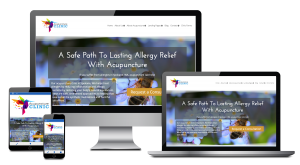 A professionally built website doesn’t just represent you; it attracts the right patients, earns their trust, and creates the foundation for the 5-star reviews that bring the next patient through your door.
That’s exactly what the AcuPerfect Websites and AcuDownloads partnership is built to deliver.
At AcuPerfect Websites, we build, maintain, and SEO-optimizes your website with human-written content that reflects your voice, integrates your Google reviews, and help convert first-time visitors into booked appointments.
AcuDownloads.com 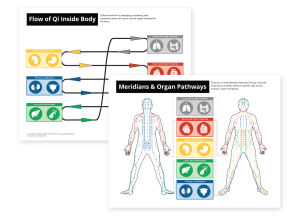 gives you instant access to 1,300+ professionally written TCM marketing tools — blog posts, newsletters, social media content, and more — so your site stays active, your patients stay engaged, and your reputation keeps growing.
Together, they solve the two biggest marketing challenges acupuncturists face: a website that works and content that keeps it alive.
Start your free AcuPerfect Websites trial and explore the full library at AcuDownloads.com
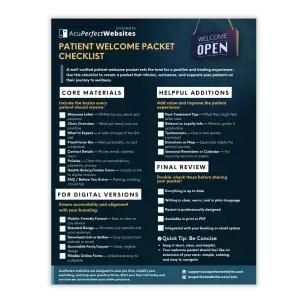 Your first impression can make all the difference in whether a new patient returns. This free Patient Welcome Packet Checklist helps you create or improve your welcome materials so they build trust, set clear expectations, and encourage long-term care. Download it now to make sure your packet supports retention—without missing any important details.
Contact us today if you’re ready to take your website to the next level. At AcuPerfect Websites we can help you establish an online presence that amplifies your new patient efforts.
Get Professional Support
Let us help you grow your practice and become the go-to acupuncturist in your community. Our mission is to help new patients find your practice.
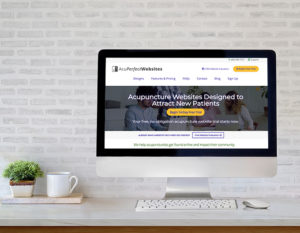 If you want a website that helps attract new patients and supports consistent growth, AcuPerfect Websites can help you build a modern, patient-friendly website that is designed for clarity, trust, and local visibility.
And if you want ready-to-use marketing tools that keep your outreach active even in your busiest months, AcuDownloads gives you a library of acupuncture-focused content you can use right away.
If you are ready to stop relying on spare time to market your practice, take the next step with AcuPerfect websites and build a system that stays active all year.
Get Professional Support
AcuPerfect Websites has been building acupuncture websites since 2011, and we know exactly what works. Our sites are designed with SEO best practices, easy navigation, and conversion-focused layouts—ensuring that your practice ranks well and attracts new patients.
We can help you grow your practice and become the go-to acupuncturist in your community.
Give your practice the refresh it deserves! Let’s get started!